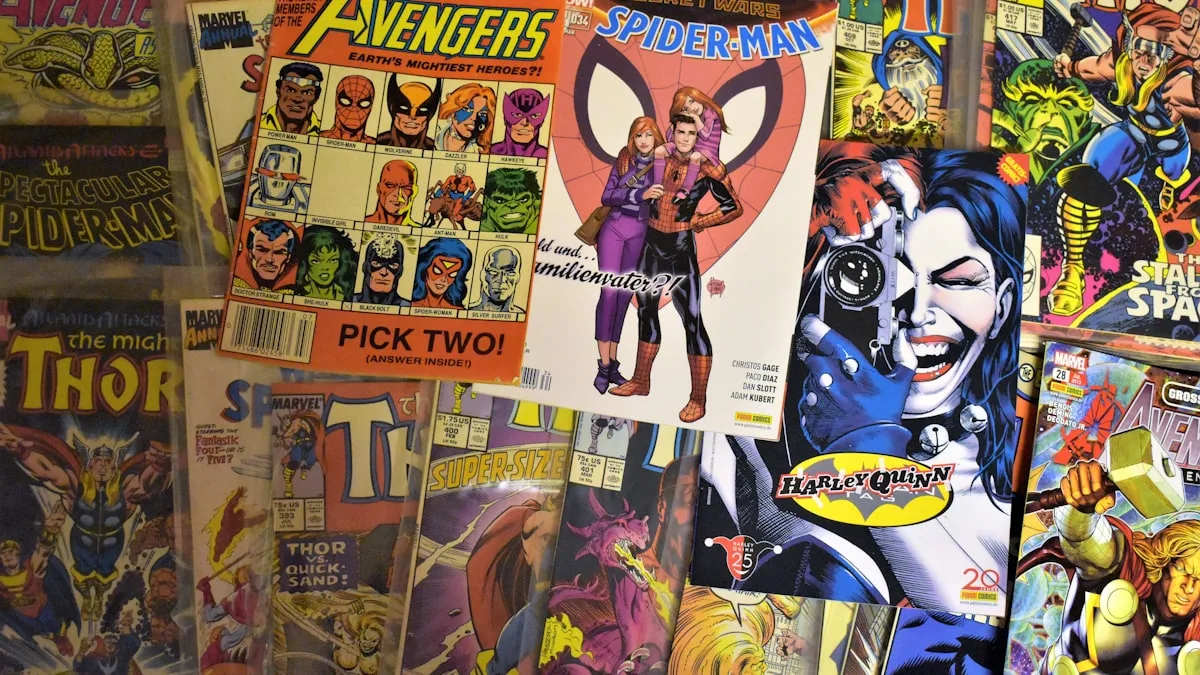
Comic Book Flipping Tips: Turn Your Collection Into Cash
Comic book flipping has exploded in popularity as collectors discover they can turn their passion into serious profit. Whether you're sitting on a collection gathering dust or actively hunting for deals, the right strategies can transform comic books into a legitimate income stream.
The key to successful comic book flipping isn't just luck—it's understanding market trends, knowing what to look for, and timing your buys and sells perfectly. Let's dive into the proven strategies that separate profitable flippers from those who break even.
Understanding the Comic Book Market
The comic book market moves differently than traditional investments. Prices can swing wildly based on movie announcements, TV show releases, or even social media buzz around a particular character.
Modern comics from the 1980s onward were printed in much higher quantities than Golden and Silver Age books. This means condition becomes even more critical—a 9.8 graded modern book might sell for 10x more than the same issue in 9.4 condition.
Set up a Comic Books alert on Good Llama
Get verified eBay alerts — 7-day free trial.
Key issues remain the holy grail of comic flipping. First appearances, origin stories, and significant character developments consistently hold their value and appreciate over time.
Finding Undervalued Comics to Flip
The best comic flips happen when you find books that others have overlooked or undervalued. Estate sales, garage sales, and local comic shops often have hidden gems priced well below market value.
Online marketplaces offer incredible opportunities, but you need to act fast. The most profitable deals disappear within minutes of being listed.
Set up saved searches with specific keywords like "comic lot," "estate sale comics," or character names. Most successful flippers check these searches multiple times daily to catch fresh listings.
Don't overlook international sellers or auctions ending at odd hours. Competition is often lighter, leading to better deals for patient buyers.
Research Tools Every Flipper Needs
Successful comic book flipping requires staying on top of current market values. Use multiple pricing sources to get accurate valuations before making any purchase decisions.
Popular apps and websites provide recent sales data, but remember that asking prices aren't the same as sold prices. Always check completed listings to see what buyers actually paid.
Good Llama takes the guesswork out of finding deals by sending instant notifications when comics matching your criteria get listed. Instead of constantly refreshing search results, you'll know about opportunities the moment they appear.
Grading and Condition Assessment
Understanding comic book grading is absolutely crucial for profitable flipping. The difference between a 9.0 and 9.2 grade can mean hundreds or even thousands of dollars in value.
Learn to spot the common condition issues that tank a comic's value: spine stress, color-breaking creases, and missing pieces. These problems might not be obvious in listing photos, so ask for detailed condition descriptions.
When to Get Professional Grading
Professional grading through CGC or CBCS costs money upfront but can dramatically increase a comic's sale value. The key is knowing which books justify the grading fees.
Generally, any book worth over $100 raw that you suspect might grade highly should be considered for professional grading. High-grade modern keys and anything from the Golden or Silver Age often benefit from the authentication and protection that grading provides.
Pricing Strategies for Maximum Profit
Pricing your comic books correctly makes the difference between quick sales and inventory that sits forever. Research recent sales of identical issues in similar grades to establish your baseline.
Consider your selling platform's fee structure when setting prices. eBay charges selling fees, while local comic conventions might have table rental costs but no per-item fees.
Timing Your Sales
Market timing can significantly impact your profits. Movie announcement speculation drives prices up temporarily, while oversaturation after a film's release often causes values to dip.
Pay attention to comic release schedules too. New storylines featuring classic characters often create renewed interest in their first appearances and key issues.
Track your profit margins on each flip. Successful flippers typically aim for at least 50-100% profit after fees and expenses, with the best deals yielding 300-500% returns.
Building a Sustainable Flipping Business
Successful comic book flipping requires treating it like a real business. Keep detailed records of purchases, sales, and expenses for tax purposes.
Develop relationships with local dealers and collectors. They often know about collections coming to market before they hit public channels, giving you first crack at potential deals.
Managing Cash Flow and Inventory
Don't tie up all your capital in slow-moving inventory. Keep some funds available for quick-flip opportunities that generate fast returns.
Focus on books that sell within 30-60 days rather than collecting pieces that might appreciate over years. Active flipping requires active turnover to maximize profits.
Common Mistakes to Avoid
New comic flippers often buy with their hearts instead of their heads. That cool cover or nostalgic character might appeal to you personally, but will it sell quickly at your target price?
Overestimating condition is another costly mistake. Be conservative in your grading assessments—it's better to be pleasantly surprised than stuck with overpriced inventory.
Don't ignore selling fees when calculating potential profits. Between platform fees, shipping costs, and payment processing, 15-20% of your selling price might disappear in expenses.
Advanced Strategies for Experienced Flippers
Once you've mastered basic flipping, consider specializing in specific publishers, eras, or character families. Deep expertise in niche areas often leads to spotting deals that generalist collectors miss.
Buying comic lots and breaking them up for individual sales can yield excellent returns, but requires more time and market knowledge to execute successfully.
Consider seasonal trends in your planning. Tax refund season often brings increased buying activity, while summer months might see slower sales as people spend money on vacations instead of comics.
Ready to Find Your Next Great Deal?
Stop missing out on profitable comic opportunities. Good Llama monitors eBay 24/7 and instantly alerts you when undervalued comics matching your criteria get listed. Start finding deals before the competition even knows they exist.
Try Good Llama Free →Frequently Asked Questions
How much money do I need to start flipping comics?
You can start comic book flipping with as little as $100-200, focusing on lower-priced books with good profit potential. Many successful flippers began by selling comics from their personal collections to build initial capital, then reinvested profits into new inventory.
What's the average profit margin for comic book flipping?
Experienced flippers typically target 50-100% profit margins after all fees and expenses. Exceptional deals can yield 300-500% returns, while quick-flip opportunities might only provide 25-30% margins but generate faster cash flow.
Should I focus on modern comics or vintage issues?
Both have advantages depending on your budget and expertise. Modern comics require less initial investment and often flip faster, while vintage issues can provide higher profit margins but need more specialized knowledge and bigger upfront costs.


