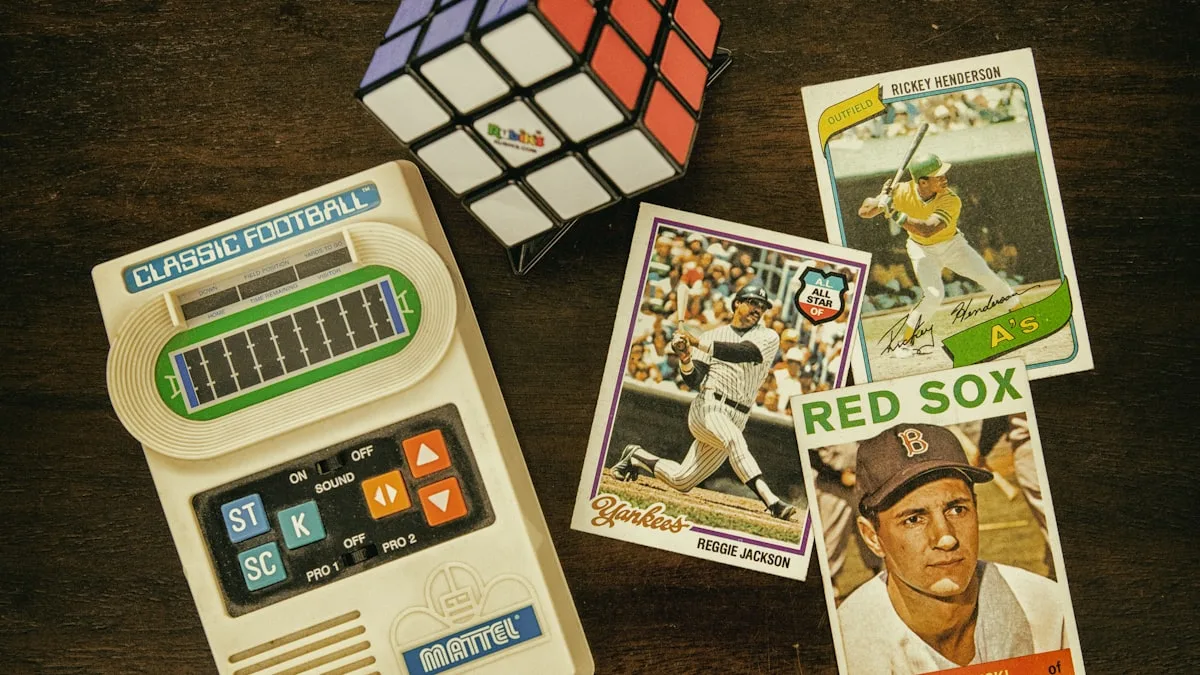
How to Find Sports Card Deals on eBay: The Smart Collector's Guide
The thrill of spotting an underpriced 1990s basketball card or a graded rookie card listed at a fraction of its market value is what keeps serious sports card collectors glued to their screens. But here's the reality: without the right approach, these deals disappear within seconds.
If you've ever lost out on an amazing sports card deal on eBay, you're not alone. Most collectors scroll through listings passively, checking prices once or twice a day. The ones who consistently find deals? They use a completely different strategy.
Why Sports Card Deals on eBay Are Worth Your Attention
eBay remains the largest marketplace for sports cards, with thousands of listings added daily. But not all of them are fairly priced. Sellers make mistakes—they mislabel cards, forget to research comps, or simply don't know the current market value.
For collectors and resellers, these mispriced listings represent pure opportunity. A $500 card listed for $200, or a rare parallel variant missed by casual sellers—these deals can turn a modest collection into a profitable investment.
Set up a Sports Cards alert on Good Llama
Get verified eBay alerts — 7-day free trial.
The challenge isn't finding sports cards on eBay. It's finding them before someone else does.
The Traditional Approach vs. What Actually Works
Most collectors search eBay manually: open the site, search for "Rookie Card" or "PSA 9," scroll through results, compare prices, repeat tomorrow. It's slow, exhausting, and you'll miss 99% of good deals while you're sleeping or working.
Professional resellers and serious hobbyists use a different method entirely. They set up automated alerts that notify them instantly when matching listings appear. The difference? They're notified in minutes, not hours.
- Manual searching: Slow, reactive, hit-or-miss results
- Automated alerts: Fast, proactive, systematic coverage
- Price monitoring: Track cards over time to spot genuine deals
- Saved searches: Let the system work while you do other things
How to Set Up Effective Search Filters for Sports Cards
Before you can catch deals, you need smart search criteria. Think beyond just player names—the best collectors filter by card condition, year, and specific details that affect value.
Start with specificity. Instead of searching "LeBron James," search "LeBron James 2003 rookie PSA" or "LeBron James Upper Deck rookie." Narrow results to the exact cards that match your interests and price targets.
Consider listing type. Are you looking for raw (ungraded) cards, professionally graded (PSA, BGS, SGC), or both? Graded cards command premiums, but raw cards often hide underpriced gems. Filter your searches accordingly.
The Price Monitoring Secret Professional Resellers Use
Here's what separates casual collectors from serious resellers: understanding pricing history. The same card that sold for $300 two months ago might be listed today at $250. Is that a deal, or has the market shifted?
Professional collectors maintain ongoing searches for their target cards and track how prices fluctuate. If a card's average selling price has dropped 15%, a listing at last month's price IS the deal. If prices are climbing, patience might pay off.
Check the "Sold listings" filter on eBay to see what similar cards actually sold for in the past 90 days. This is your true market baseline. A listing 20% below recent sold prices is worth investigating immediately.
Using Good Llama to Automate Your Deal Hunting
Manually checking eBay multiple times daily isn't sustainable. That's where Good Llama changes the game for sports card collectors.
Good Llama is an eBay alert service designed specifically for collectors and resellers. You set up custom searches once—define your target cards, your price limits, and your preferred condition—and the system monitors eBay 24/7. The moment a matching listing appears, you get an instant notification.
Instead of refreshing eBay manually, you're notified in real-time. Instead of competing with hundreds of collectors checking once a day, you're among the first to know about new listings. For sports card hunters, that speed advantage translates directly into winning more deals.
Critical Factors That Separate Deals from Duds
Not every cheap listing is actually a good deal. Smart collectors evaluate several factors before committing.
Seller rating and history: A $400 card listed at $250 from a seller with 15% positive feedback might be a problem incoming. Check the seller's return policy and recent feedback, especially on high-value items.
Card condition and authenticity: Graded cards from reputable companies (PSA, BGS, SGC) offer peace of mind. Raw cards require careful photo evaluation. Watch for poor lighting, stock photos, or signs of damage.
Shipping and handling costs: A card listed at $100 with $45 shipping isn't the deal it seems. Calculate the total cost and compare that to your benchmarks.
Common Mistakes That Cost Collectors Money
Even experienced collectors make errors that kill deals. The biggest? Overpaying based on emotion rather than data.
You spot a rookie card of your favorite player—your childhood hero—listed at what seems like a reasonable price. You bid aggressively without checking recent sales comps. You win the auction at $800, only to discover identical cards sold for $650 last week.
Second mistake: ignoring auction trends. In the final seconds of a bidding war, rational analysis goes out the window. Set your maximum price beforehand, then walk away if it goes higher. There will be other deals.
Third mistake: not maintaining organized records. Serious collectors track what they bought, when, and at what price. This historical data informs future bids and helps you spot genuine market opportunities versus inflated pricing.
Building Your Sports Card Buying Strategy
Successful collectors treat this like a business, not a hobby. They develop a clear strategy: which players, which years, which card types fit their collecting focus?
Define your budget. Decide what percentage of capital you'll allocate to chasing deals versus building your collection. This prevents impulsive overspending during bidding wars.
Create tiered price targets. Know your "good deal" price, your "fair price," and your "pass" price for your target cards. When a listing hits your "good deal" threshold, act immediately. When it's at fair price, be selective. When it's expensive, keep waiting.
Join sports card collector communities and Discord servers to share deal alerts with other collectors. While you're notified about different deals than others, the collective knowledge helps everyone stay informed about market shifts and pricing trends.
Scaling Your Collecting with Smart Systems
Once you've found a few deals and understand your collecting goals, scaling becomes possible. Instead of monitoring 2-3 search criteria, set up 15-20 saved searches that cover your entire target list.
This is where most collectors hit a wall: managing dozens of searches manually is impossible. Each search requires daily checking, comparison, and decision-making. The cognitive load alone burns people out.
Automated alert systems eliminate this friction. You define your searches once, and the system handles the daily monitoring. You only engage when there's an actual opportunity matching your criteria.
Frequently Asked Questions About Finding Sports Card Deals on eBay
How quickly do good sports card deals sell?
The best deals sell within minutes, sometimes seconds. A rookie card genuinely priced $100 under market value might be gone before you finish reading the listing. This is why real-time alerts matter—manual checking simply can't compete.
What's a realistic timeline to see good deals?
With automated monitoring of multiple searches, you'll typically find 2-4 solid opportunities per week, depending on your criteria specificity and price thresholds. Some weeks yield nothing; other weeks bring multiple great finds. Consistency comes from having many searches running simultaneously.
How do I know if a price is actually a good deal?
Check what identical or very similar cards (same year, player, card number, grade) sold for in the past 30-90 days using eBay's "Sold" listings filter. A listing 15-25% below that baseline is typically a genuine deal worth investigating. Always verify the seller's credentials and review detailed photos before committing.
Ready to Find Your Next Great Deal?
Stop refreshing eBay manually. Start finding sports card deals the way serious collectors do—with automated alerts that work 24/7. Good Llama puts the power of real-time monitoring in your hands, so you catch deals before anyone else.
Try Good Llama Free →