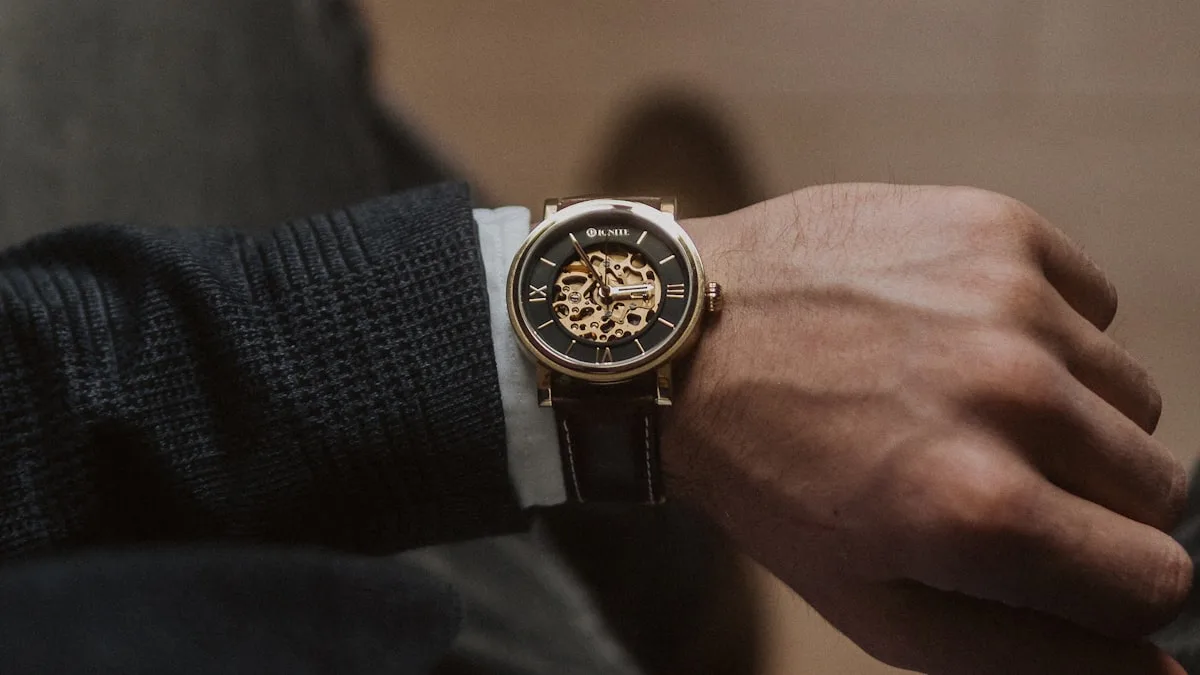
Vintage Watch Authentication: Red Flags to Avoid
When you're hunting for valuable vintage timepieces, one wrong purchase can wipe out months of profits. Authenticating vintage watches isn't just about protecting your collection—it's about safeguarding your investment portfolio. Whether you're a serious collector or a reseller looking to build your reputation, knowing how to spot fakes and fraudulent listings is essential to your success.
The counterfeit watch market is worth billions, and scammers have gotten frighteningly good at their craft. But here's the good news: with the right knowledge, you can develop a sixth sense for detecting fake vintage watches before your money leaves your account. In this guide, we'll walk you through the critical red flags that separate legitimate deals from costly mistakes.
Understanding Vintage Watch Authentication Basics
Before diving into what to avoid, let's establish what vintage watch authentication really means. Authentication is the process of verifying that a timepiece is genuine, made by the manufacturer stated, and from the period claimed. This goes beyond just checking if a watch works—it's about confirming provenance, construction quality, and historical accuracy.
When you're evaluating a vintage watch, you're essentially playing detective. You need to examine materials, manufacturing techniques, movement quality, and documentation. Authentic vintage watches tell a story through their design choices, wear patterns, and technical specifications. Fakes? They usually tell a different story entirely—one that doesn't add up.
Set up a Watches alert on Good Llama
Get verified eBay alerts — 7-day free trial.
The Price Red Flag: If It Seems Too Good, It Probably Is
One of the most obvious indicators that vintage watch authentication should raise concerns is pricing that defies market logic. If you're seeing a 1960s Rolex Submariner for 20% below market value from an unverified seller, your alarm bells should be screaming.
Here's what you need to know about pricing:
- Research comparable sales on reputable auction sites and collector forums. Know the realistic range for the specific reference number and condition
- Condition tells the price story. A watch with original dial, hands, and case might be worth 40-60% more than one that's been refinished
- Rarity increases value exponentially. Rare dial variations or limited production runs command premiums that scammers often ignore
- Seller reputation matters. New sellers with suspicious pricing should trigger immediate skepticism
The best deals on vintage watches come from uninformed sellers or estate sales—not from dealers undercutting the market by massive margins. When you encounter suspiciously low pricing, dig deeper before committing funds.
Movement Quality and Serial Numbers: The Technical Truth
The watch's movement is its heart, and it never lies. When you're conducting vintage watch authentication, examining the movement reveals whether you're holding legitimate craftsmanship or a clever counterfeit.
Authentic vintage movements display:
- Consistent finishing with period-appropriate techniques (hand-engraving, Geneva stripes, polishing patterns)
- Serial numbers that align with known production records for that manufacturer and year
- Movement signatures that match the brand's documented design for that reference
- Wear patterns that make logical sense given the watch's stated age
Scammers often source movements from different eras or manufacturers. You might find a 1970s movement in a watch supposedly from 1960, or components from multiple sources assembled together. Cross-reference serial numbers with manufacturer databases and collector resources specific to each brand.
Pay special attention to dial printing and application. Vintage watches used specific printing techniques that changed over decades. Fakes frequently use modern printing methods that look too crisp or too uniform compared to authentic examples from the claimed period.
Case Construction and Materials: What Your Eyes Should Tell You
The case is where vintage watch authentication often reveals major discrepancies. Counterfeiters sometimes cut corners with materials because authentic cases require expensive alloys and precise machining.
Watch for these warning signs:
- Plating wear that doesn't match the dial age. If the watch claims to be 50 years old but shows no plating wear, something's wrong
- Case back engravings that appear too deep, too shallow, or machine-made rather than hand-stamped
- Lugs that don't fit end links properly. Authentic vintage watches have precise tolerances
- Case diameter inconsistencies. Measure against known specifications for that reference
- Gold content inconsistencies. If it claims 18K gold but density measurements suggest otherwise, you've found a problem
Materials matter significantly. Stainless steel from the 1960s has different characteristics than modern stainless. Gold color and patina tell a story about authenticity. Real vintage gold cases develop specific color variations and wear patterns that are nearly impossible to replicate.
Documentation and Provenance: The Paper Trail
Legitimate vintage watches often come with documentation, but here's where many collectors get fooled: authentication papers themselves can be forged. However, genuine documentation should still tell a consistent story with the physical watch.
Critical documentation red flags include:
- Missing or vague documentation when the seller claims premium pricing
- Documentation style mismatches. Papers from the 1970s won't look like modern warranty cards
- Box and papers from different years. Sellers sometimes mix components from different eras
- No way to verify authenticity papers. Legitimate manufacturers can confirm warranty card validity
The best documentation is contemporaneous—original receipts, warranty cards, and service records from the period of ownership. Recently created "authentication" certificates from unknown sources should be viewed with extreme skepticism.
Seller Behavior and Transaction Red Flags
Sometimes the most important vintage watch authentication happens before you even examine the watch closely. Seller behavior often reveals intent more clearly than anything else.
Legitimate sellers typically:
- Answer detailed questions thoroughly and provide multiple high-resolution images from different angles
- Acknowledge condition issues openly and deduct appropriately from pricing
- Provide return windows and stand behind their authentication claims
- Have established reputations verifiable through independent collector communities
- Use secure payment methods with buyer protection
Suspicious sellers often:
- Rush you to purchase with artificial scarcity claims ("I have three other buyers interested")
- Refuse specific questions about movement condition or serial number verification
- Pressure you to wire funds or use untraceable payment methods
- Have vague or inconsistent item descriptions that conveniently match multiple reference numbers
- Display poor communication or become defensive about authentication concerns
Trust your instincts. If a transaction feels uncomfortable, walk away. The vintage watch market has plenty of opportunities for careful buyers.
Building Your Authentication Expertise
Becoming proficient at vintage watch authentication takes time, but you can accelerate your learning by:
- Joining collector communities and studying real examples alongside known fakes
- Reading reference materials specific to the brands and eras you collect
- Learning to use tools like dial comparators, weight scales, and calipers for precise measurements
- Studying genuine examples in person at dealer shows and auctions
- Building relationships with reputable dealers who can mentor you
The more watches you examine—both authentic and counterfeit—the faster you'll develop intuition. Your eyes will start catching inconsistencies automatically.
Conclusion: Protect Your Collection and Your Profits
Vintage watch authentication separates successful collectors from frustrated buyers with wallets full of counterfeits. By understanding these red flags and approaching each purchase with healthy skepticism, you'll build a collection of genuine pieces that hold and appreciate in value.
The investment in your authentication knowledge pays dividends every single time you make a purchase decision. You'll negotiate better prices for authentic pieces with minor issues, avoid catastrophic losses on fakes, and develop the reputation among other collectors as someone who knows what they're doing.
As you're refining your authentication skills and building your collection, tools like Good Llama can help you discover underpriced vintage watches the moment they're listed on eBay. Set up instant alerts for specific brands, references, and price ranges that match your criteria, and never miss a deal again. Let Good Llama handle the constant market monitoring while you focus on what you do best—evaluating and authenticating the pieces that matter.
Word Count: 1,047 words
