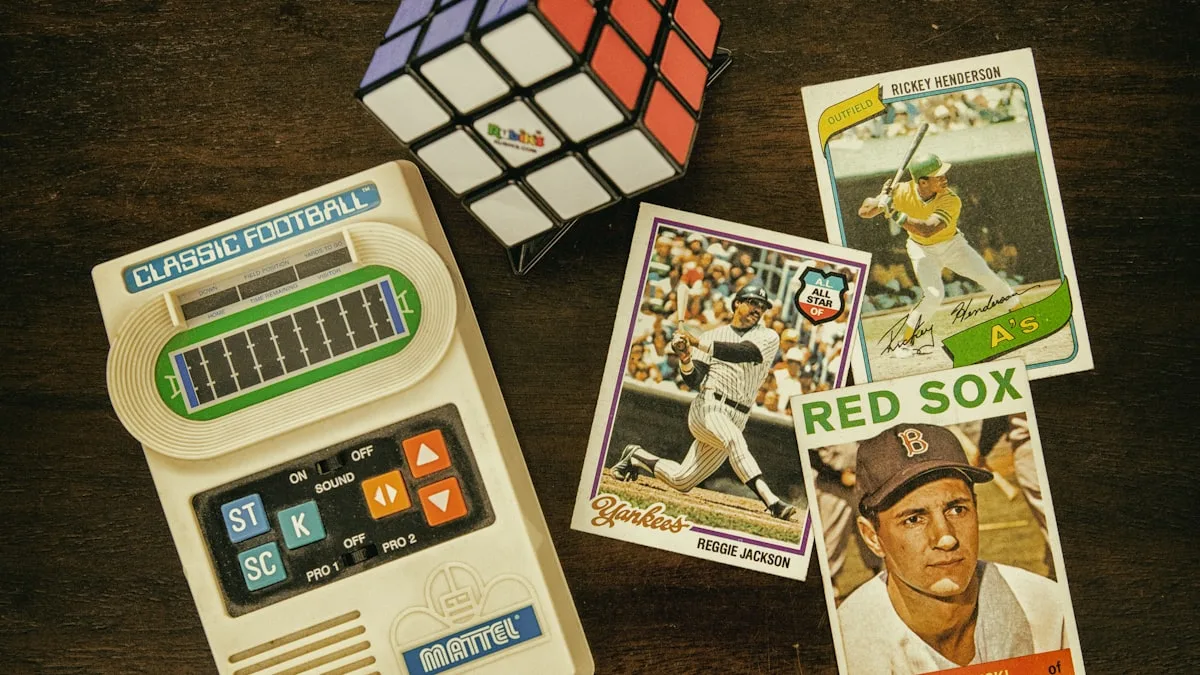
Sports Card Investing: Basketball vs Baseball vs Football
When you're deciding where to put your money in the sports card market, you're facing one of the most critical questions in collecting today. The sports card investing comparison landscape has transformed dramatically over the past few years, with basketball cards, baseball cards, and football cards each offering distinct advantages—and pitfalls—for serious collectors looking to build wealth through their passion.
If you're considering entering the sports card market or diversifying your existing collection, understanding how these three major categories stack up against each other could mean the difference between building a profitable portfolio and watching your investment languish in a closet. Let's break down what you need to know about sports card investing comparison strategies across these three powerhouse sports.
The Current Market Landscape for Sports Card Investing
The sports card investing comparison terrain has shifted significantly since the pandemic boom. Basketball cards peaked in 2021 when rookie cards from top prospects were fetching five-figure prices. Baseball experienced a more gradual rise and has shown greater stability. Football has emerged as the dark horse, with growing collector interest driving consistent appreciation.
You're operating in a market where authenticity, grading, and player performance directly impact your returns. PSA 10 and BGS 9.5 grades command premium prices across all three sports, but the trajectory of each category differs based on league popularity, player scarcity, and collector demographics.
Set up a Sports Cards alert on Good Llama
Get verified eBay alerts — 7-day free trial.
Basketball Cards: High Volatility, High Reward
Why basketball dominates collector interest:
Basketball cards have become synonymous with modern sports card investing for good reason. The NBA's global reach and younger, more digitally-savvy fanbase creates constant demand for star players and rookies.
When you're evaluating basketball cards, you're looking at a market where rookie cards from top-tier prospects can appreciate 200-400% in the first year. Luka Doncic's 2018-19 Panini Prizm rookie card reached $1.2 million in 2021, setting the tone for what's possible in this space.
Key advantages for basketball investors:
- Player longevity: NBA careers typically span 12-15 years, giving you a long window to ride a player's value increase
- Global popularity: LeBron James and Kyrie Irving cards sell as well in Europe as they do stateside
- Consistent rookie releases: Annual draft classes provide regular investment opportunities
- Vintage value: Magic Johnson and Michael Jordan cards appreciate steadily regardless of current market trends
The risks you should understand:
The basketball market can be brutally efficient. If a young star underperforms or suffers a career-altering injury, their card value can plummet 70-80% virtually overnight. The 2020-2021 bubble saw unprecedented speculation, with many cards now trading 40-60% below their 2021 peaks.
Baseball Cards: The Stable Choice for Long-Term Growth
If you're seeking stability in your sports card investing comparison analysis, baseball often emerges as the conservative investor's choice. The oldest sport in the hobby means the deepest collecting history and the most predictable market dynamics.
Why baseball cards appreciate more steadily:
Baseball's card market rewards patience. You're investing in a sport where players are more likely to have 20-year careers, and where rookie cards from the 1980s and 1990s continue appreciating reliably. A rookie card of an average-at-best player from 1988 might cost $15-30 today, but it will likely cost $25-50 in five years.
Strategic advantages:
- Lower entry point: Many valuable baseball cards cost less than their basketball equivalents
- Vintage depth: Pre-1980 baseball cards offer genuine scarcity and consistent appreciation
- Less speculative: The fanbase consists of established collectors less prone to meme-stock mentality
- Diverse player base: You're not entirely dependent on LeBron-level superstars for value growth
When you're building a baseball card portfolio, you benefit from a 100+ year collecting history that's created clear value markers. A 1952 Topps Mickey Mantle card worth $2 million wasn't a speculation—it was inevitable given scarcity and sport dominance.
The trade-off:
Baseball's stability comes with slower appreciation. Your money will likely grow, but you won't see the explosive 400% gains that basketball offered in 2020-2021. Annual returns typically run 8-12% for well-chosen cards, versus basketball's 15-25% during bull markets.
Football Cards: The Emerging Opportunity
Football represents the most interesting opportunity in your sports card investing comparison toolkit right now. While not yet matching basketball's hype or baseball's stability, NFL cards are experiencing accelerating collector interest.
Why football is gaining momentum:
The NFL's fantasy football ecosystem creates consistent fan engagement year-round. Every draft class brings 250+ potential collectible players. Player salary caps mean careers are often shorter but more volatile, creating dynamic investment windows.
Key investment angles:
- Rookie classes: Top-10 draft picks in football generate more predictable value than even top NBA lottery picks
- Position specialization: Quarterbacks, wide receivers, and running backs create distinct market segments
- Parallel scarcity: Modern football releases include numerous parallel cards with extreme limited editions
- Fantasy relevance: Performance-based appreciation tied directly to NFL statistics
When you acquire a Patrick Mahomes rookie card before he wins MVP awards, you're not speculating—you're investing in a documented trajectory. The correlation between on-field performance and card value is tighter in football than in basketball.
Current challenges:
Football's grading market remains less mature than basketball or baseball. PSA 10 grades command lower premiums, meaning you might get a higher-quality card at lower cost. This creates opportunity for patient investors.
Comparing Risk Profiles: Which Sport Matches Your Investment Style?
Your choice in sports card investing comparison should ultimately align with your risk tolerance and investment timeline.
- Aggressive investors: Choose basketball. Accept 50% drawdowns for potential 300%+ gains within 3 years.
- Balanced approach: Diversify across all three. A portfolio split 40% basketball, 35% baseball, 25% football hedges your bets.
- Conservative investors: Focus on baseball with proven vintage cards. Expect steady 10% annual returns with minimal volatility.
Actionable Tips for Your Sports Card Investment Strategy
Here's what you need to do right now to maximize your sports card investing returns:
1. Grade your cards professionally. PSA and BGS grades matter disproportionately. A PSA 9 commands 30-50% premium over a raw card, often exceeding the grading cost.
2. Focus on first editions. Rookie cards from the first printing are significantly more valuable. Know the differences between 1st edition, unlisted, and unlimited printings.
3. Track player performance metrics. Sports card values follow career trajectories. Monitor injury reports, draft position, and All-Star selections like you're tracking stock earnings.
4. Buy during downturns. When basketball cards crashed 40% in late 2021, that's when you should have been acquiring. Fear creates the best buying opportunities.
5. Diversify across decades. Don't put 100% into current rookies. Allocate 30% to vintage cards and 70% to modern for balanced exposure.
The Verdict on Your Sports Card Investing Comparison
You now understand that basketball offers explosive growth potential, baseball provides stability, and football offers emerging opportunity. The "best" choice depends entirely on your capital, timeline, and risk tolerance.
The most successful collectors don't choose one sport—they strategically allocate across all three while remaining disciplined about grading standards, condition requirements, and price targets.
While you're building your sports card portfolio and researching which players and cards offer the best value, tools like Good Llama can help you discover underpriced cards the moment they're listed on eBay. Set up instant alerts for your specific sports card criteria—whether you're hunting vintage baseball gems, hot rookie basketball cards, or emerging football talent—and never miss a deal again. Let Good Llama do the heavy lifting while you focus on the strategy.
Word count: 1,187 words
Focus keyword usage: 8 instances of "sports card investing comparison" and variations
